
Services
Critical Illness Insurance in Canada
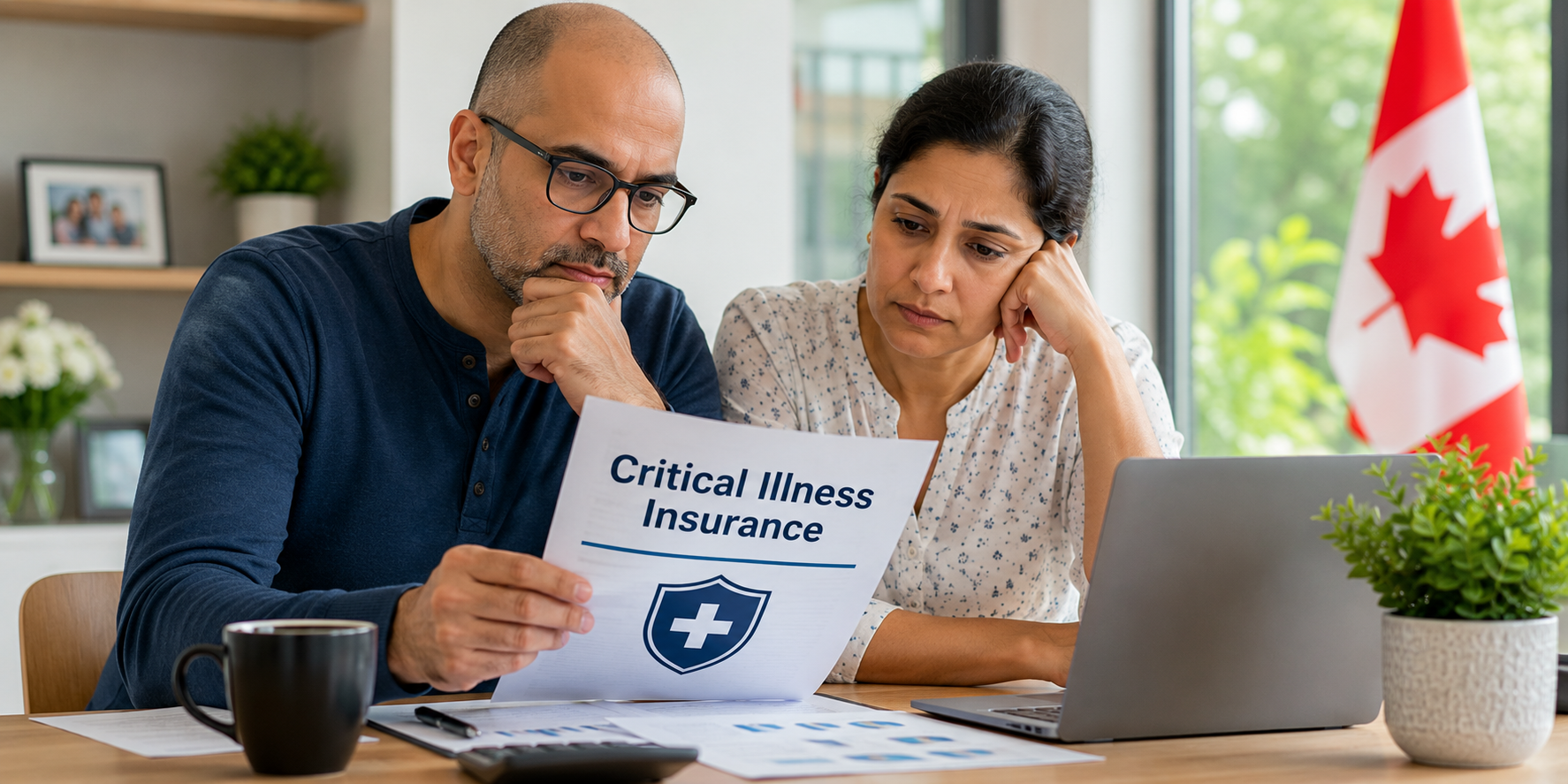
A serious illness can affect anyone at any time. It can also create major financial challenges. Cancer, heart attacks, and strokes can threaten your income, savings, and family finances. Treatment and recovery may also keep you away from work. Meanwhile, some expenses fall outside provincial health coverage, including OHIP.
Critical illness insurance can help protect you against these financial pressures. If you receive a diagnosis covered by your policy, you may qualify for a lump-sum payment. The benefit is generally tax-free for personally owned policies that meet the applicable requirements. You can use the money for treatment, household bills, or lost income. This support can help you focus on recovery and your family’s needs.
What OHIP Does Not Cover and Why That Gap Matters
Ontario’s public health system provides essential medical care, but it was never designed to cover the full financial impact of a critical illness. There are significant gaps between what OHIP pays for and what a serious diagnosis actually costs. Understanding these gaps is the first step to protecting yourself.
Private or out-of-country treatment: Some of the most effective treatments for cancer and other serious illnesses are only available at private clinics or specialized centres in the United States or abroad. OHIP does not cover these costs, which can run into hundreds of thousands of dollars.
Prescription drugs and medications: OHIP does not cover many life-saving cancer drugs and specialty medications. Monthly drug costs for cancer treatment alone can exceed thousands of dollars.
Lost income during recovery: Treatment and recovery from a serious illness often requires weeks or months away from work. CPP disability benefits are modest, and most employer sick leave plans are limited. The resulting income gap can quickly drain your savings.
Home care and rehabilitation: After a serious illness or major surgery, many patients require professional home care, physiotherapy, or occupational therapy during their recovery. OHIP covers few of these services.
Caregiver costs: When you are ill, a spouse or family member may need to reduce their work hours or stop working entirely to provide care. This creates an additional income loss that compounds the financial pressure on your household.
Mortgage, rent, and everyday expenses: Your fixed financial obligations do not pause because you are sick. Mortgage payments, property taxes, utilities, and daily living costs continue regardless of your health and without an income, they can quickly become unmanageable.
How Critical Illness Insurance Works
Critical illness insurance is simple to understand. You pay a monthly or annual premium to keep your policy active. If you receive a diagnosis covered by your policy, you may qualify for a lump-sum benefit. Your policy sets the conditions and any applicable survival period.
Unlike disability insurance, critical illness insurance usually pays one lump sum. Disability insurance typically replaces part of your income through ongoing payments. A lump-sum benefit gives you access to funds when you need them most. You can use this money to make important decisions about your treatment and recovery.
The benefit can be used for absolutely anything: private treatment, travel to a specialist, home renovations to accommodate a disability, paying off debt, funding your children’s expenses while you recover, or simply maintaining your standard of living during a long treatment period. There are no receipts to submit and no approval process for how the money is spent.
Conditions Typically Covered by Critical Illness Insurance
Most comprehensive critical illness policies in Canada cover a wide range of serious conditions. Coverage varies by insurer and policy type, but standard covered conditions typically include:
• Cancer (life-threatening)
• Heart attack
• Stroke
• Coronary artery bypass surgery
• Kidney failure
• Major organ transplant
• Multiple sclerosis
• Parkinson disease
• Alzheimer disease
• Severe burns
• Blindness and deafness
• Aortic surgery
Many insurers also offer a return-of-premium feature, which refunds all premiums paid if you never make a claim — making critical illness insurance a zero-cost protection strategy for many clients who remain healthy throughout the policy term.
Who Needs Critical Illness Insurance?
Critical illness insurance can benefit Canadians at different stages of life. You do not need to be older or have a family history of serious illness to consider it. A diagnosis can disrupt your income and savings at any age. The financial impact may be especially difficult for people with dependants, a mortgage, or a business. Coverage can provide financial support while you focus on recovery.
Individuals and Families
For anyone with a family, mortgage, or financial obligations, a serious illness without adequate coverage can wipe out years of savings in a matter of months. Critical illness insurance provides the financial buffer that allows you to focus entirely on getting well — rather than on how to pay next month's bills.
Self-Employed Professionals
When you are self-employed, there is no employer sick leave, no group benefits plan, and no income if you are not working. A critical illness benefit can replace the income you would lose during treatment and recovery, keeping your business and personal finances stable while you focus on your health.
Business Owners
A critical illness affecting a key person in a business can have a major impact on operations, revenue, and continuity. Corporate-owned critical illness coverage can protect a business from the financial consequences of losing a key employee or owner to serious illness — funding temporary replacement staff, covering operating expenses, or supporting a buy-sell arrangement.
Coverage Even with Pre-Existing Health Conditions
Many people wonder whether a pre-existing condition will prevent them from getting critical illness insurance. In some cases, coverage may still be available. We work with multiple insurance carriers to explore suitable options.
An insurer may exclude a specific pre-existing condition while covering other eligible conditions. Some applicants may qualify for a policy with a higher premium. Simplified-issue policies may also be available. These policies usually involve a short health questionnaire and may not require a medical exam. We will review your circumstances and explain the options available to you.
Frequently Asked Questions
No. You generally receive the lump-sum benefit tax-free under a qualifying personally owned policy. You receive the full insured amount with no tax owing, regardless of the size of the payment. This makes it one of the most efficient forms of financial protection available.
Disability insurance replaces a portion of your monthly income if you are unable to work due to illness or injury. Critical illness insurance pays a one-time lump sum upon diagnosis of a specific covered condition, regardless of whether you are still able to work. The two products complement each other and together provide a much stronger financial safety net than either one alone.
Many critical illness policies offer an optional return of premium rider. If you hold the policy for a specified period and never make a claim, all of the premiums you have paid are returned to you in full. This essentially makes the insurance free if you remain healthy a significant benefit that makes critical illness coverage very attractive for clients who are concerned about paying premiums and never using them.
The right coverage amount depends on your income, your monthly financial obligations, the type of treatment you would want access to, and how long you would need to be financially supported during recovery. As a general starting point, many advisors recommend coverage equal to one to two years of your gross income. During your consultation, we will perform a detailed needs analysis and recommend a coverage amount that reflects your actual financial exposure.
Do Not Wait Until a Diagnosis to Think About Protection
Contact our licensed insurance advisors today for a no-obligation consultation. We will review your financial situation, explain your coverage options clearly, and recommend the critical illness policy that gives you and your family the financial protection you need at a premium rate that fits your budget.
✓ Individuals • ✓ Self-Employed • ✓ Corporations